November 2023
Silverside Detectors
My first engineering role: R&D, design, and manufacturing at a small defense company, including an NSF-backed Cosmic Ray Neutron Sensing experiment for mapping soil moisture.
Overview
In the summer of 2022, I started my first job post-graduation as a mechanical engineer at a small company called Silverside Detectors, based outside Boston, MA. While the funding issues of being a small company eventually led to a shorter tenure than I had hoped, I learned so, so much in my time there. I got the opportunity to participate in both R&D and manufacturing work across a range of projects. I also gained exposure to important non-technical aspects of engineering such as grant and report writing, project management, and setting up PLM systems.
Below I highlight one of the projects I worked on, elaborating beyond the limits of a short resume.
CRNS Research
Much of my time at Silverside was spent, in various capacities, working on an NSF-backed project exploring the applications of Cosmic Ray Neutron Sensing (CRNS) for soil hydrology. In a sentence: neutron signals are inversely correlated with soil water content, and can therefore give a spatial average rather than the point measurements achieved by existing techniques such as electrical conductivity (EC) sensors.
If you're curious about the science behind this and its intricacies, this article is a decent starting place.
The goal of the project was to determine the efficacy of a tightly spaced grid of lower-sensitivity sensors; existing scientific literature has only recently begun to explore large-scale (hundreds to thousands of meters of spacing) networks of CRNS sensors. We conducted a months-long experiment on the driving range of Paradise Valley Golf Course outside Phoenix, AZ, which Silverside had partnered with on earlier CRNS projects before I joined the company.
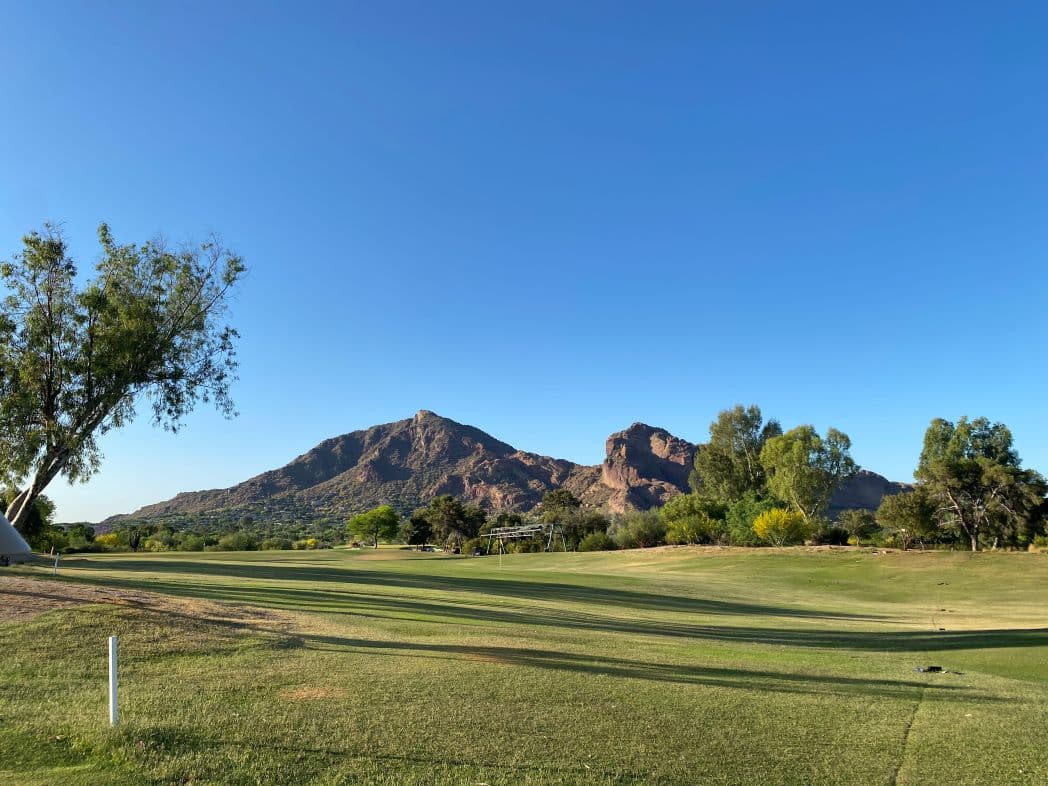
I worked on the experimental setup, which consisted of 30 valve boxes buried in a 20-meter grid on the driving range. I designed and specified the necessary electrical components and wire, and built a base station through which all the power was routed. I was also integral to the development of the hardware placed in each valve box, and wrote much of the software that recorded data — integrating a single-board computer with third-party neutron sensors and later our in-house-built detectors.
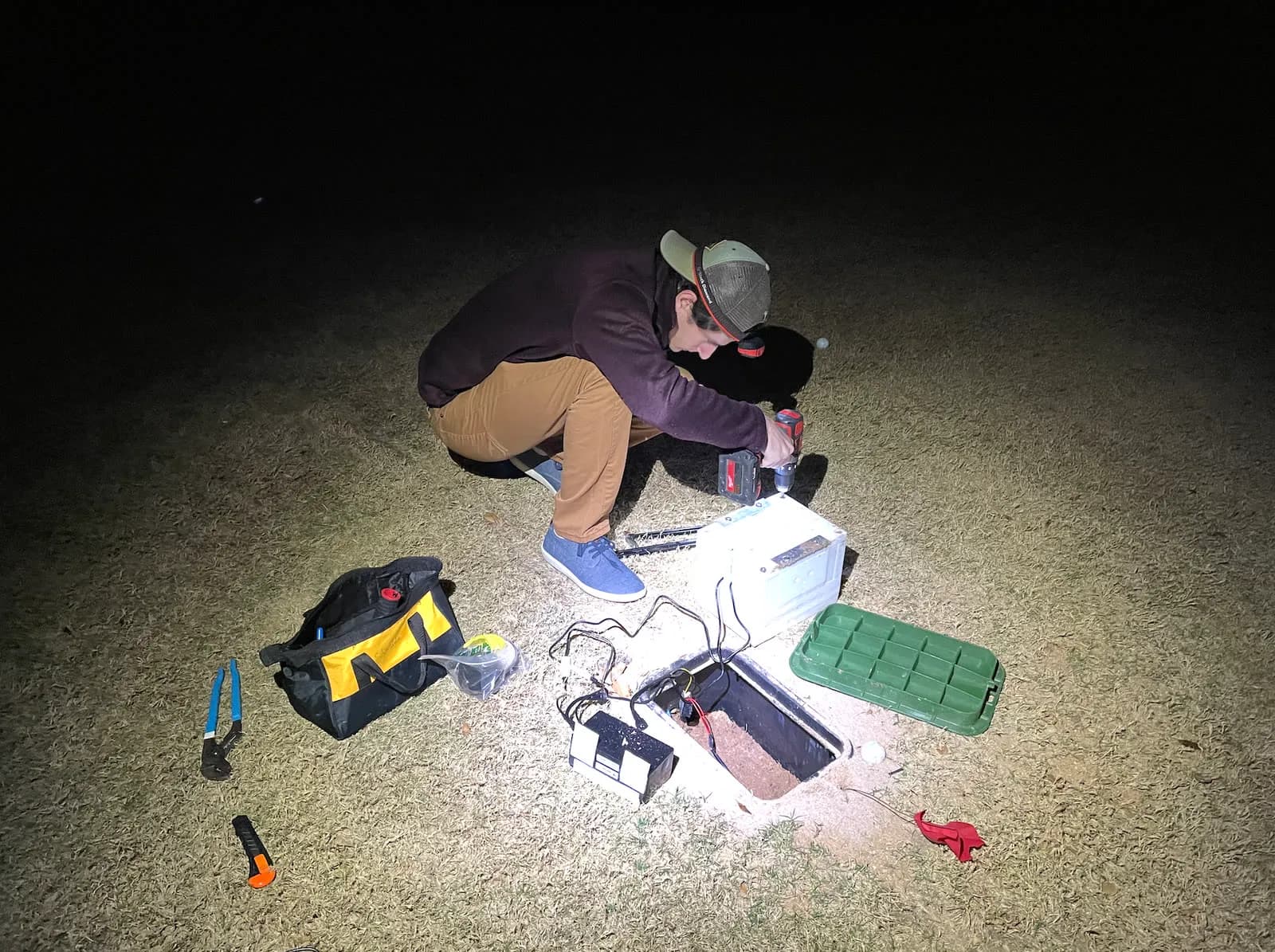
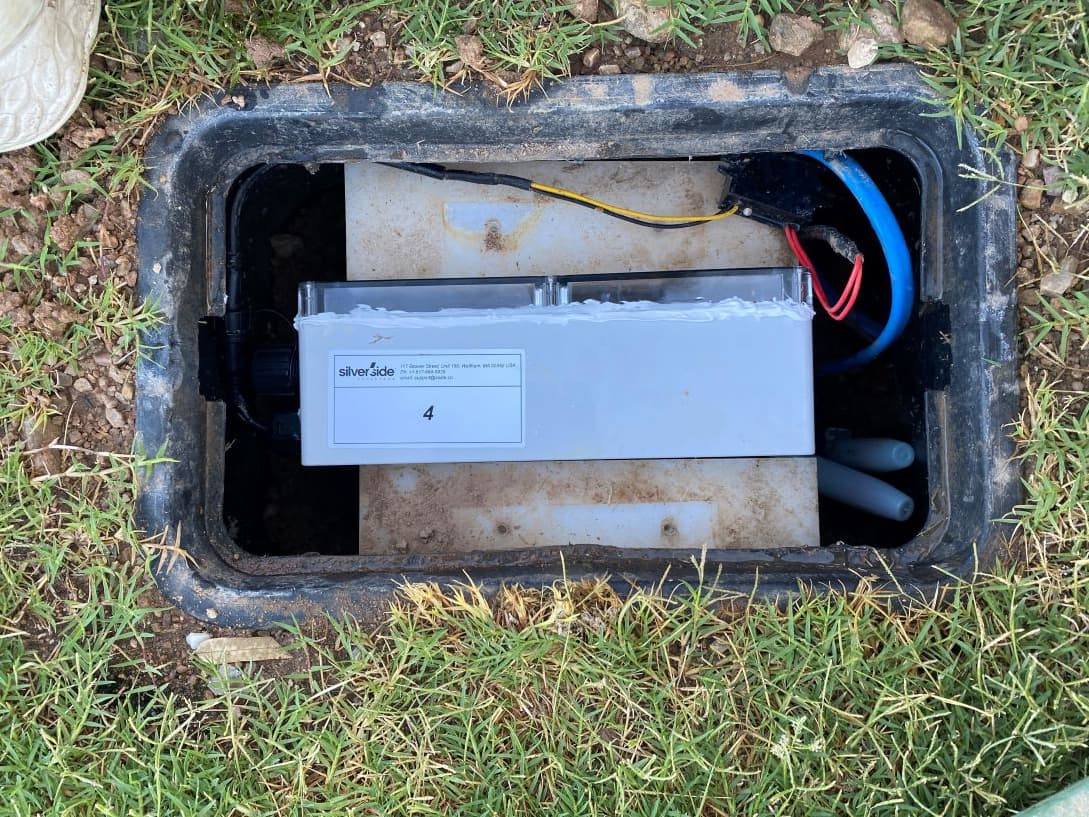
It became apparent very quickly with the first prototypes in the field that the interior of the valve boxes experienced large temperature swings, high humidity, and occasional flooding. As such, I also assisted in testing and validating enclosures and hardware for field use.
After the raw neutron signals had been cleaned and converted to rough soil moisture estimates, I performed secondary analysis on the results — generating heatmaps using a variety of interpolations along with a number of other visuals.